
Nestled in between fjords, Norway’s second-largest city is the perfect fusion of nature, culture and history. It has a small-city atmosphere (nothing’s too far away), with the ever-present chance to get out into Norway’s great wide outdoors.

The UNESCO Heritage Listed area of Bryggen consists of different-colored buildings lined along the water, with the picturesque mountains (there are seven around the city) soaring above. 

The city’s also famous for its food scene – it’s a UNESCO World Heritage City of gastronomy, largely due to its seafood. 

However, for all Bergen’s charms, it certainly doesn’t always have idyllic weather. In fact, it’s often described as the rainiest city in Europe.

So what do you do in Bergen on a rainy day? Thankfully, the city has adapted to less kind weather, so whether you’re visiting Bergen in winter (December is the rainiest month) or if the weather just isn’t on your side, you’re still guaranteed plenty of things to do. 

Here are the ten best things to do in Bergen when it rains! 

Best things to do in Bergen when it rains

The best things to do in Bergen when it rains include visiting the history museums, exploring art galleries, enjoying delicious seafood and taking a dip in the heated swimming pool and fjords. 

Explore the Bryggens Museum

One of the best indoor activities in Bergen, the Bryggens Museum describes the origins and history of this part of Bergen. 
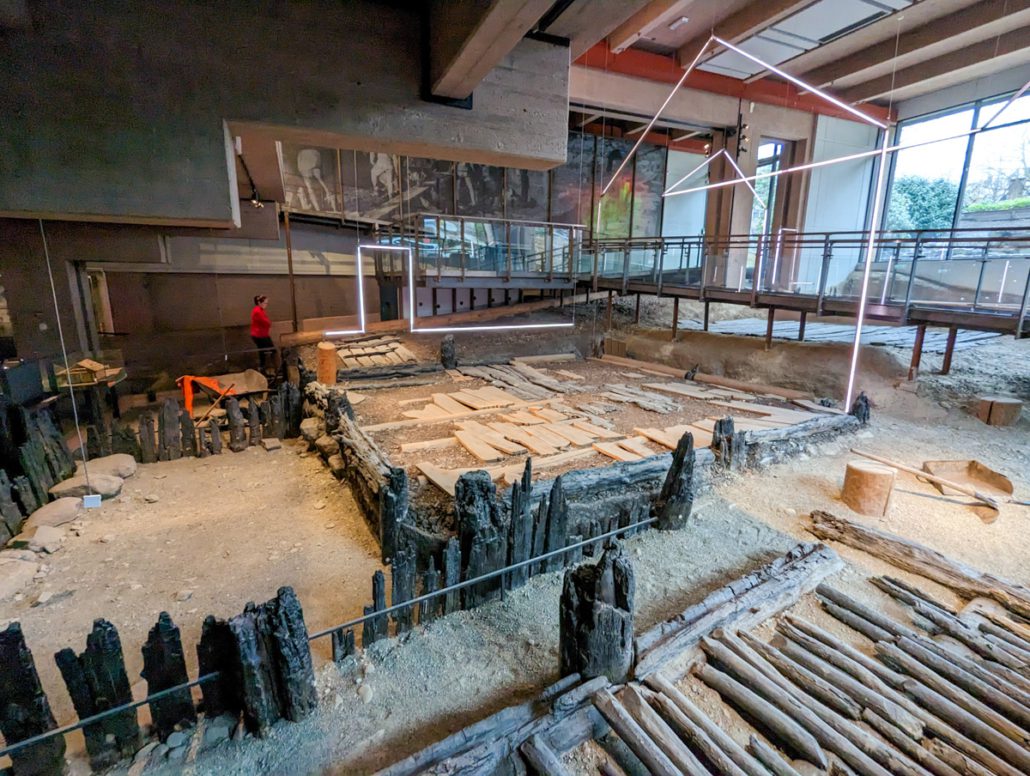
The Bryggens Museum

The Bryggens Museum

The city is famous for being burned to the ground multiple times (thanks to the fact that it has been relentlessly rebuilt from wood every time it was rebuilt!). Here, you’ll also learn about the Hanseatic League, and how they moved in after the city was virtually deserted after most of the inhabitants died after the Black Death. 

It’s located right in the heart of Bryggen, with hands-on exhibits that’ll make you feel like you’re stepping right into the heart of Bergen’s history! 

Visit the Bergen Maritime Museum
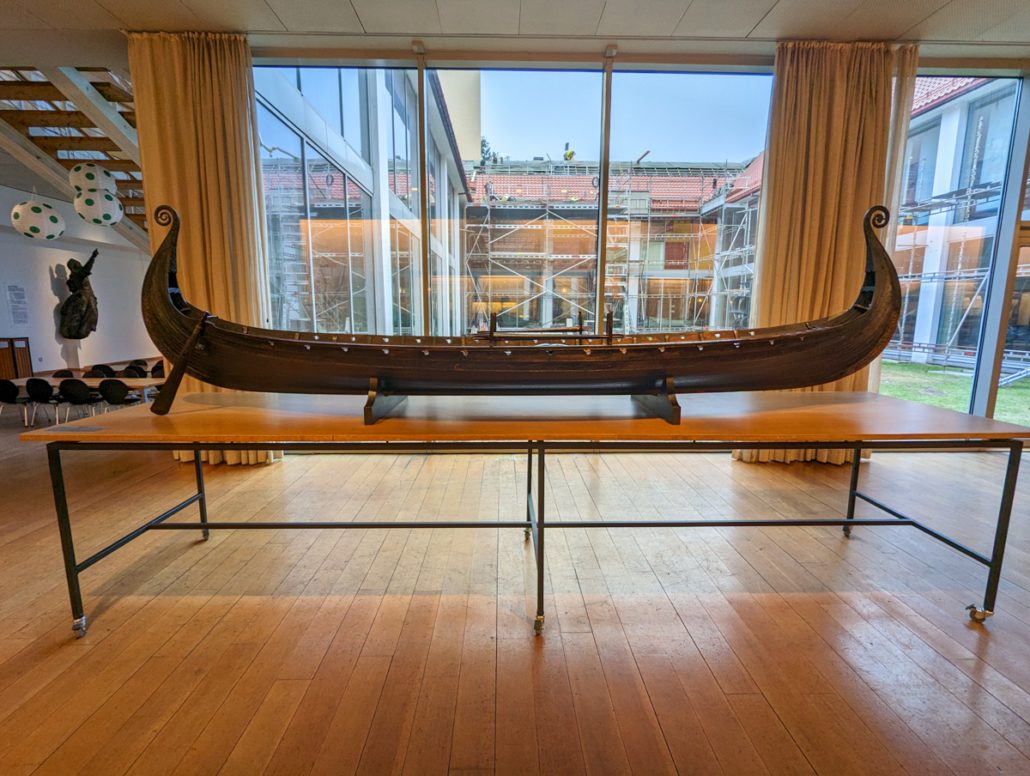
Bergen Maritime Museum

The Bergen Maritime Museum is a great rainy day activity

Life in Bergen revolves around the sea. Sitting in the heart of the fjords, close to the coast, means that the sea has been its lifeline for centuries. Bergen locals have always used the sea for transportation and food, and maritime culture has been built around this. 

This makes the Bergen Maritime Museum one of the most important in the city. You’ll go back in time to the ancient shipping history, with artifacts from the Halsnøy boat dating from 390-535 AD, and discover information about Norway’s first steamer, SS Constitutionen. 

Whether you want to learn about Norway’s naval history, historic transportation from Bergen to elsewhere in the world or Norwegian cod, there’s all the information you’ll need to hear about the seas here! 

Get lost in an art gallery

Along with fascinating history, Bergen has a thriving art culture. It’s home to the third-largest Edvard Munch collection in the world (the largest and second-largest are both in Oslo). One of the best activities, when it rains in Bergen, are to visit one of the many art museums.
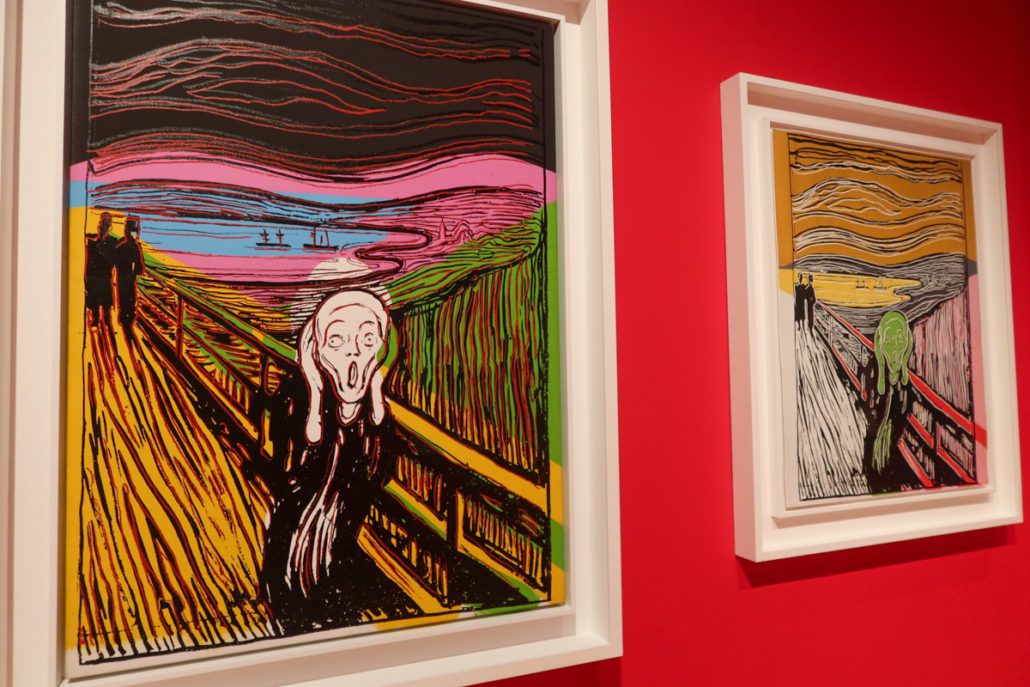
 

KODE museums in Bergen

KODE museums in Bergen

There are four significant art galleries in the city centre, all run by KODE. They’re called KODE 1, KODE 2, KODE 3 and KODE 4 and all have slightly different focuses. 

If you only have time to visit one, KODE 4 has the most extensive collection of Norwegian and international art. 

Learn about food culture at the seafood market

Delve right into the city’s culinary scene at the Bergen seafood market. This is completely under cover so it’s the perfect activity when it rains in Bergen, and here you can try fresh cod, shellfish and lobster that comes straight from the fjords and nearby ocean. 

If you want to have a more formal sit-down dinner, I recommend the restaurant Fish Me, which is in the fish market. They serve a delectable Bergen fish soup with julienned vegetables, fish of the day with beurre blanc sauce and linguine with mussels, scallops and prawns in a creamy spicy sauce. 
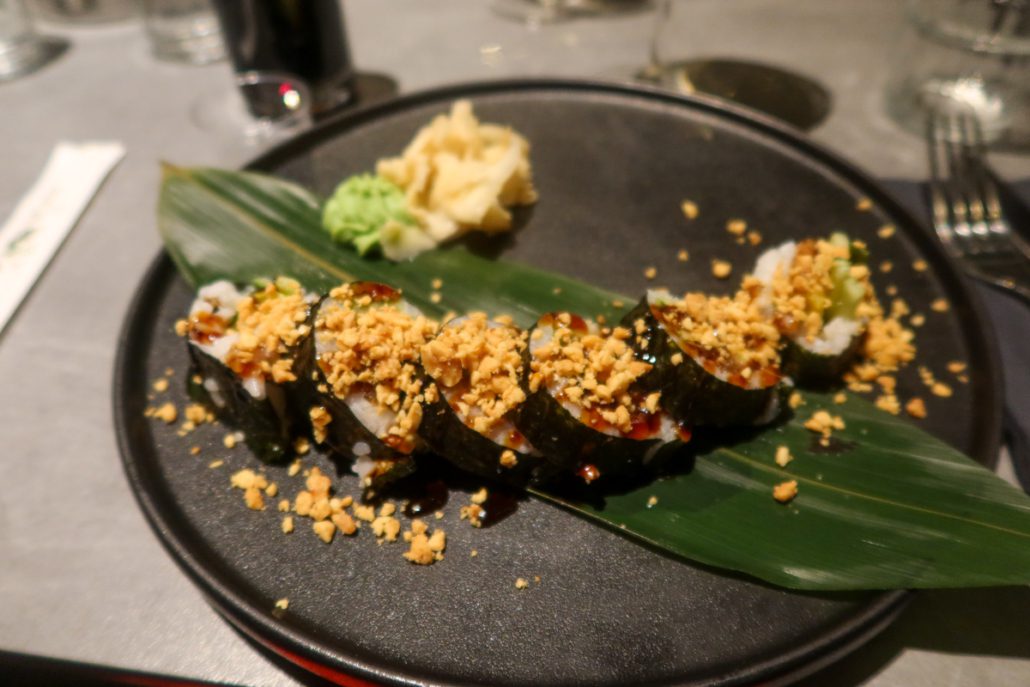
Vegetarian sushi at Fish Me in Bergen

Vegetarian sushi at Fish Me in Bergen

If any people in your group are vegetarian, there are a few plant-based options on the menu too, including a vegetarian burger and fish (and meat)-free sushi. 

The food is deliciously fresh throughout the year, but it’s even tastier when the weather’s not so great – so don’t worry if you’re visiting Bergen in February; you can still enjoy the mouthwatering food! 

Head to the Bergen Aquarium

Home to 60 large and small tanks, Bergen Aquarium has Norwegian cod, lizards, crocodiles and snakes. There are feedings every day and even cinema showings. 

Not only will you have chances to see the animals, but you can also learn about protecting the waters around Norway (and elsewhere in the world), and ensuring that the seas stay vibrant for years to come. 

Go back in time at Greig’s House

Famous Norwegian composer Edvard Greig lived just outside of Bergen, a short bus ride away from the city. His former home is open to the public; visitors can explore rooms such as the Peer Gynt Suite where the composer created his best work. 

The interior has been decorated exactly as it did in the late 19th century when Greig lived there. You can also enjoy the ornate gardens and take in views of the surrounding dramatic fjords. 

Go indoor climbing at Klatreverket Bergen

If you want to unleash your inner adrenaline junkie, head to the walls! Even when it rains in Bergen, there are plenty of indoor options. Klatreverket Bergen specialises in bouldering, with walls for all abilities. 

There’s the main room, a back room with some more walls, a children’s room and even a sauna – perfect for relaxing after a climbing session!

Soak in Nordnes Sjøbad

While you might not want to visit Nordnes Sjøbad, an outdoor spa complex, in a thunderstorm, it’s quite pleasant in drizzly weather – the weather won’t bother you too much when you’re in a 32°C swimming pool, a hot and dry sauna or taking a dip into the 7°C fjord water. 

The sauna/ heated pool/ cold water plunge combination is bracing, but it’ll wake you up and make you feel energised for a day’s exploring – so don’t let a little chilly weather put you off! 

Educate yourself at the VilVite Bergen Science Centre

Step into the world of science and technology at the VilVite Bergen Science Centre, where you can learn about dams and hydropower, consider how the body works and look at the influences of nature on society. There’s even an interactive climbing wall and Multiball play area. 

Check out Bergen’s best bars

Of course, one of the best things to do in Bergen when it rains is to check out a few bars and enjoy some Norwegian drinks! 

Magic Ice Bar Bergen’s interior is uniquely made entirely out of ice. Here, you’ll enjoy a beverage at a chilly -5C, while surrounded by stunning ice sculptures and illuminated by colorful lights. Warm ponchos are provided for visitors. 
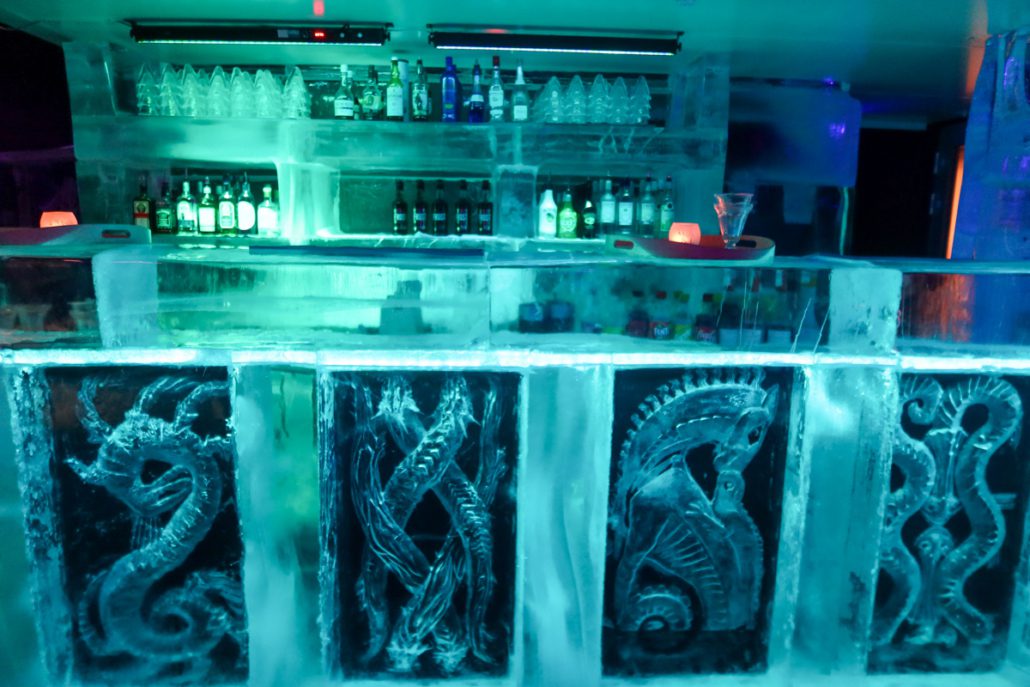
Magic Ice Bar Bergen

Visit the Magic Ice Bar Bergen on a rainy day

Frescohallen is a cocktail bar, serving classics like martinis and spritzes. It’s famous for its beautiful frescos, painted to depict scenes from the city’s fishing industry.

Do a walking tour (guided or self-guided)

There’s a saying in Norway: “no such thing as bad weather, only such a thing as bad clothes”, and if you wrap up, wear waterproof boots and hire an umbrella (you can rent them from many hotel lobbies!), there’s no reason why the weather should cause you any bother when you’re exploring the city. 

One of the best things about Bergen is that the weather changes quite quickly, so do venture out Norwegian style if you can! 

Bergen Basecamp offers food and history walking tours of the historic city; you’ll bypass Bergen Cathedral and a great deal of Hanseatic League wooden architecture! 

You can also book walking tours on Get Your Guide.

Alternatively, if you want to stay drier while you see the sites, you could also enjoy a sightseeing cruise of Bergen’s landmarks with an indoor boat area. Click here to read more about it!

Take a day trip out of the city

While Bergen may be one of the rainiest cities in Europe, this is largely because it’s nestled in the fjords and amongst mountains. You might find that the weather is largely different as soon as you travel away from the city! 

  • Voss isn’t too far away, and it’s a popular skiing destination in the winter months – or, in the summer season, you can enjoy hiking and other outdoor activities. 
  • There’s an excellent self-guided tour on Get Your Guide which encompasses some more of fjord Norway and the Flåm railway; you’ll cruise on the UNESCO World Heritage fjord Nærøyfjorden, before docking in Flåm and exploring this village and then embarking on the famous Flåm railway, which is known as one of the most scenic in the world

What NOT to do in Bergen when it rains

As you can see, there are plenty of things to do in Bergen when it rains, but here are a few things that I’d recommend scheduling for the sunny days on your trip! 

The first thing I’d recommend avoiding on a rainy day is a fjord tour. Tours take 3.5 hours and depart from the fish market at Bergen, taking in Alversund Streams and Mostraumen.  On cloudy days, visibility in the fjords can be a little restricted; so it might be best to schedule tours for a clearer day. 

I’d also recommend avoiding Bergen’s mountains, such as Mount Fløyen and Mount Ulriken, if the weather isn’t so kind. During wet and wild weather, the funicular and cable cars don’t operate, and even in drizzly weather, you won’t have much visibility. So save exploring the soaring mountains for clearer days!

Don’t worry if the weather isn’t great while you’re in Bergen – there are still plenty of rainy-day attractions in Norway’s second-largest city! 

Whether you want to learn about Bergen’s unique history, enjoy local artwork or visit some of the more modern attractions, you won’t be bored in Bergen, whatever the weather!
Whale watching is an experience that most people only dream about. If you live in California or happen to be visiting, though, it’s a must-see event for kids and adults alike. This is especially true in February when whale migration patterns may make sightings more likely. If you’re wondering whether you should schedule your private boat cruise in San Diego or Orange County, consider the advantages that each of these locations has to offer.

San Diego, CA

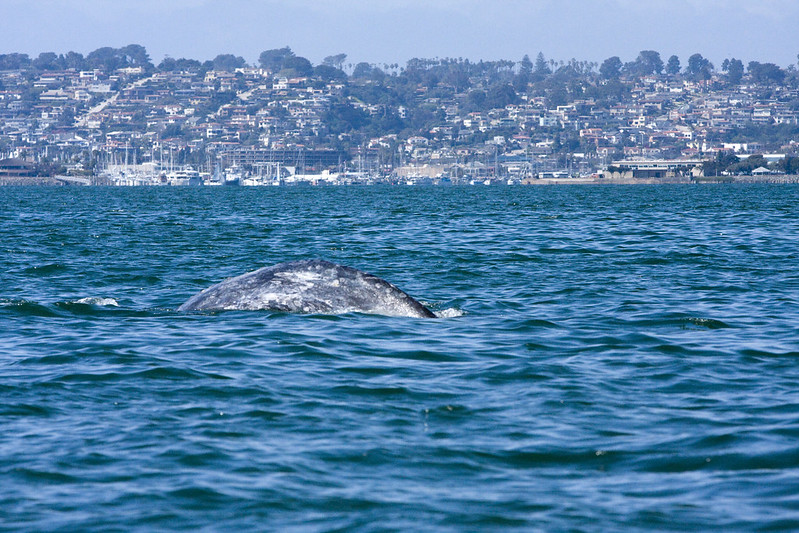
Gray whale spotted in San Diego

Gray whale spotted in San Diego

There are plenty of fun things to do in San Diego, but few can match the exhilaration that whale watching offers. It’s easy to see the appeal — whales are majestic creatures, and the chance to see them in their natural habitat is a once-in-a-lifetime adventure. Some of the most common whale species found in San Diego include humpbacks, fin whales, and minkes. In February, gray whales are also likely to make a mid-migration appearance.

There are several spots in San Diego that you can set sail from. The Kona Kai Marina, Shelter Island Marina, and Dana Landing Marina are just a few of the top harbors where you can start your whale watching journey. Opting for a charter cruise is the most reliable way to boost your chances of seeing a whale, though, because the captain will know the best locations for sightseeing.

San Diego is especially hospitable to whale watchers because of its world-renowned temperate weather. In February, San Diego sees an average temperature high of 66° and a low of 51°. Furthermore, there are typically only four rainy days in the month. If you want to enjoy beautiful ocean scenery and a comfortable climate, whale watching in San Diego is the best activity for you.

Orange County, CA

Orange County is another popular spot for whale watching excursions in Southern California. Much like whale watching in San Diego, whale watching in Orange County offers beautiful views and potential appearances from several species of whales. In addition to the aforementioned humpbacks and fin whales, you may catch a glimpse of blue whales and a few different kinds of dolphins when you visit Orange County oceans.

February is a great time to see these creatures up close and personal, and there are many reasons to visit Orange County for your whale watching adventure. The area’s immaculate beaches and coastal trails beckon visitors who appreciate outdoor activities. If your ideal day starts with an early morning whale watching charter and ends with a hike on the beach, Orange County is the place to be.

Orange County is also a short drive away from many Southern California theme parks, so visitors who are planning the ultimate vacation can take a break from the rides and schedule an Orange County whale watching trip with a private charter.

Make incredible memories with a whale watching adventure in San Diego or Orange County. When you’re booking your trip, you should research the charter company, read about their safety protocols, and confirm that they receive good reviews from previous clientele.

As businesses transition to remote work and hybrid models, more people are adopting the concept of a “workcation” as part of their lifestyle. In particular, 67% of Americans are taking up workcations to “recharge their mental and emotional batteries,” boosting their overall productivity and helping them better cope with burnout. Given the appeal of enjoying a change of scenery, it’s unsurprising that many remote workers are turning into digital nomads— remote workers who travel to different locations.

To manage their budget, most remote workers stay in cheap accommodations. Hostels are a popular option as not only are they affordable, but they present many opportunities to meet other budget travelers or digital nomads and do a variety of activities together. Due to the social nature of hostels, it may seem tricky to get work done. To help you stay productive, here are some tips on working remotely from a hostel.

Research the quality of internet connection

Most remote workers need an internet connection to complete their work, so it’s essential to research how good the signal is at a hostel before confirming your booking. Our post “The Risks of Travelling (and how to avoid them)” highlights how some hostel and property websites can sometimes be misleading, so it’s essential to do a deep search of customer reviews, especially negative ones. If there are consistent issues being mentioned, such as the Wi-Fi being poor despite their marketing, it may be best to look for another place to stay.

If you have a particularly important online call or deadline, consider getting a service provider that provides data. As shared by The Entrepreneur on remote work, being able to turn on your mobile hotspot in case the Wi-Fi connection is down can save you from a headache. If your average day involves a lot of downloading and streaming videos, like video call meetings, it’s recommended that you get a plan of at least 40GB of data per month.

Prepare your meetings in advance

Hostels aren’t always the quietest places to work, so it can be difficult to have online meetings. To better prepare your environment, it helps to plan your meetings in advance. For instance, you may choose to work remotely from a hostel that offers a co-working space, where you can rent private spaces by the hour.

Aside from a good working environment, it’s crucial that you optimize your meeting times. LHH’s advice on one-on-one meetings recommends sending an agenda beforehand. This should include relevant, necessary points to be tackled so that people are prepared and organized for any discussion areas.

You can make this agenda a collaborative effort, allowing your meeting partners to provide their “must” discuss list for better work accountability and progression. By having efficient meetings, you not only keep interactions dynamic, efficient, and productive but also have more time for other activities throughout the day.

Schedule work during “lull” hours

Some hostels don’t have a separate co-working space, and you may have to work in the hostel’s common room. However, hostels are social spaces and can get quite busy and loud at certain times of the day. If you want to minimize socialization during work time, try scheduling your work in the middle of the day.

Around 11:00 am, most guests are awake and away for their daily activities, so the common room is usually more conducive for work. You can also subtly signal that you want to focus on your work by wearing noise-canceling headphones— indicating that you don’t want to talk. Most people will respect your space, but you can always politely tell someone that you’re concentrating on remote work.

Socialize and find work buddies

Being a digital nomad can get lonely, especially if most new friends only stay for a short-term vacation. When staying in a hostel for the long term, we recommend using the social space to find people that may also be following a similar remote work lifestyle.

You might be able to meet people that are more organized and business-oriented, and who may make great work buddies in the near future. Aside from networking while working remotely from your hostel, you can use social media or dedicated apps to find other remote workers that you can socialize and work with. Digital nomad apps like MeetUp can be a great way to link to like-minded professionals, even matching you to suggested friends based on shared interests and activities.

Travel can be one of the most rewarding experiences of your life. And when you’re planning for your next trip across the world, it’s easy to forget the importance of preparing yourself for the unexpected. In order to make sure you’re travelling safely, and with the right support in place, here are some of the biggest risks of travel (and some tips on how to avoid them!).

Last-minute cancellations or disruptions

Nothing puts a stop to your excitement like a last-minute cancellation or disruption to your travel plans. And while it’s not easy to avoid this problem, you can prepare alternate ways of reaching your destination just in case something does happen. Is it perhaps a little too cautious? Maybe. But when the unexpected happens, you’ll be glad you put a plan B in place!

Injuring yourself while abroad

When you’re exploring new parts of the world, enjoying physical activities, or simply having fun with your friends and family, it’s easy to neglect what could happen to you in the event of a fall or a sudden and unexpected accident. To avoid mounting hospital bills and to cover any potential issues you may encounter abroad, consider Safetrip vacation travel insurance, which helps people to protect themselves by finding the right travel insurance for their specific needs.

Being in poor accommodation

While it makes perfect sense to get your travel insurance questions answered and fully understood, many travellers neglect to do the same when it comes to finding the right accommodation.

Hotel and hostel websites can be extremely misleading, as can other potential properties you’re looking to book. Take the time to do a deep search into the customer reviews, and be sure to sift through the negative ones too. Do the same problems keep being mentioned? If so, it’s a strong indication that there are some issues with your accommodation, and you may want to consider looking elsewhere.

Stomach issues due to a change in diet

This isn’t intended as a criticism of the cleanliness of other countries, nor their food, and is more about how an unexpected change in diet can affect our stomachs. Many tourists, regardless of where they go in the world, feel that their safest bet is to dine at a tourist-friendly restaurant that serves the food they’re accustomed to.

However, stomach bugs or potential food poisoning can be just as likely to happen there as anywhere else. Instead, consider dining at places that locals go to, and order the dishes those cooks are used to doing, day in and day out.

In some countries, you may also prefer to drink filtered, bottled, or boiled water, in case your body doesn’t respond well to the change in water.

Avoiding risks during travel: Final Thoughts

Like anything in life, there are bound to be a few risks associated with making a big trip to another country and travelling the world. But as long as you’re prepared for the worst, you’ll be able to focus on the best, giving you the perfect combination of comfort, support, and confidence as you explore the world and discover new things to experience.

Paying heed to those potential risks before departure will set the tone for a trip that’s problem-free, stress-free, and more memorable to you and your loved ones.

Whether you’re a remote freelancer or a roaming entrepreneur, you may still need one home base for legal reasons. This is particularly important for roaming entrepreneurs who own their own businesses.

As a business owner, you can’t just settle in any city, you have to pay close attention to a few of the nuances that make living in one ZIP Code a bit better than another. Today, we touch base on a few common business practices and why four of our favorite cities make the most sense for digital nomads who are business owners.

Business Basics

Before we get into specific locations, it makes sense to cover a few important business tasks that you want to get out of the way before you settle down. Two that come to mind are business formation and marketing.

Your business structure affects how you pay taxes, hire employees, and set rules and regulations within your organization. Having the right business structure in place is paramount to your success. For most of us, forming an LLC makes the most sense as this keeps our personal liability to a minimum. You can also pay yourself through your LLC, which classifies you as an employee so that you can maximize your tax deductions for your business.

Marketing yourself as a nomadic business owner may be a bit trickier. Many people are going to want to know that the person they’re dealing with is available when they’ll need you the most. One thing you can do to offer some assurances to your customers is leave a business card.

While this sounds like a small thing, it is a tangible reminder that you’re there for them. You don’t have to have anything fancy, and using a template is a great way to get your brand (including your colors, fonts, and images) across in business card form. If you’re looking for a quick way to make a card, this may help. 

Atlanta, Georgia

Atlanta, Georgia is one of the busiest towns in the south, but it’s a great place for a digital nomad. Why? Because of its proximity to nature, its eager workforce, and its bustling retail scene. And if your business focuses on sports whatsoever, Atlantic Station notes that you’ll find at least five major league teams including the Atlanta Braves and the Atlanta Hawks. Look for homes outside the city center for the best price as Atlanta can get expensive.

Denver, Colorado

Denver is beautiful, but it’s also one of the most educated cities in the entire United States. This means that you’ll have access to an educated and experienced workforce. Plus, it’s a high-income area, meaning you should be able to target high income earners. A rental here such as Windsor townhomes and apartments in Denver, CO can run $2,000 or more per month. If cost is an issue, consider finding a roommate or purchasing a home that needs a bit of work.

Nashville, Tennessee

Not only does Music City have all the amenities you could ever want, including major sports, shopping, and a diverse music scene, the people in Nashville are also hard-working and welcoming to new businesses. FranSmart notes that there are also plenty of resources for entrepreneurs and lots of places to open up shop if you need an office space. This includes retail locations and cooperative working environments; many new living spaces are popping up downtown, so you may find a building where you can work and live.

Sheridan, Wyoming

Wyoming has some of the lowest tax rates in the country, and Sheridan is great for business owners for this and other reasons. This makes it one of the best cities in the US for digital nomads. The economy here is primarily centered around healthcare, education, and energy, but it’s also a tourist hotspot with lots of history and mountain views. A fairly rural area, you may luck out and find a beautiful mountain cabin here.


For all of the benefits and challenges associated with being a remote-based business owner, having the freedom to live anywhere you want is reason enough to want to find a new place to call home. But, before you get started and cut ties to where you live now, handle a few business tasks, such as marketing and business formation.

Then, take the time to research the benefits and disadvantages of your preferred cities. Wherever you wind up, just remember that you are tied to any one location, and you can always move if you need a change of scenery once again.