
Train travel is by far the best way to travel in Europe. Between the inter-city trains, regional trains, and the metro system found in most major cities, the European continent has one of the most well-connected rail networks. With high-speed trains that travel up to 186mph (300km/h), you can reach your destination in a fraction of the time that it takes by car. Train travel in Europe can even be faster than taking a flight since train stations are conveniently located in the city center. There is no need to get to and from the airports or worry about arriving an hour before departure.
Travelling Europe by train is also a classic backpacking experience– enjoy watching the European countryside pass you by while you sit back and relax on your way to your next destination.

The Rail System in Europe
Despite the relatively small geographic size of the continent, each European country has its own separate rail provider. Planning an itinerary across several countries without being familiar with all of the local rail companies can be a nightmare.
The good news is that several companies seek to solve the complicated quest of traveling Europe by train. Omio is a centralized search and booking website for all major train and bus providers in Europe. Or you can buy a Europe train pass with Eurail, which is honored on many rail networks throughout Europe.
While the options may seem bewildering at first, it’s not that complicated once you figure it out.
How to Use the Eurail Pass for Affordable Train Travel
The rail pass system in Europe has been around for decades and covers most routes in 31 European countries. European train passes allow you a certain amount of train travel days within a designated timeframe throughout Europe. For example, you can buy a rail pass for 12 days of travel within a 3-week timeframe. The two options are Eurail, which is for non-European residents, and Interrail, which is for anyone who can prove they reside in Europe.
These companies offer Global Passes, Regional Passes, and even One-Country passes. Your rail pass is entirely customizable which you can explore using the trip planner on the Eurail website.
A Europe train pass is best suited for backpackers who take a lot of train journeys within a short amount of time. You’ll also need to be reasonably sure of your travel plans ahead of time. When purchasing a rail pass, you have to determine how long your pass should be valid for along with how many days of train travel you will need while in Europe.
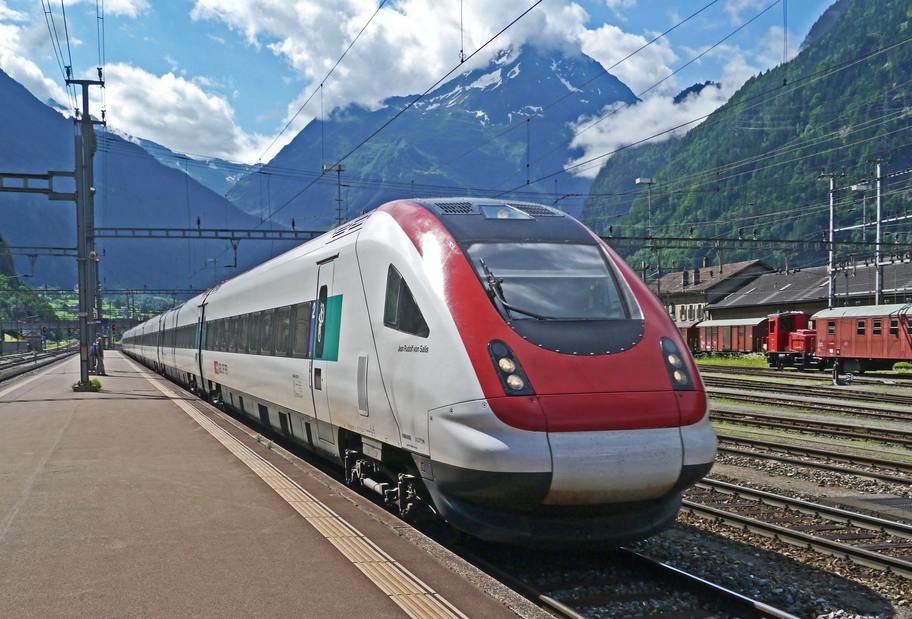
Rail System Europe Trains
Buying one-off train tickets in Europe
If your trip spans a few months, and you only plan on taking the train every now and then, buying one-off train tickets will probably be cheaper than buying a rail pass.
Omio works with all major transport companies in Europe. You can use them to search and book train tickets online, and travel using mobile tickets in their App. One added benefit is that they show results for trains, buses, and flights, so you can decide on the best way to travel from A to B while in Europe.

Backpacking Europe by Train Travel
Should You Buy a Rail Pass for Europe?
When deciding whether you should buy a Europe train pass for your trip, it very much depends on your plans. Generally, the rail pass is a good deal if you are doing a short Europe trip with lots of train travel.
However, the rail pass price will vary depending on the number of train journeys, the countries, and the length of your trip. Buying a rail pass doesn’t necessarily get your train tickets cheaper than face value– in fact, it can be the opposite. We recommend making some rough price comparisons before making your decision.
As an example, we did some comparison searches between Omio and Eurail:
A Eurail pass for three days of travel within three weeks amounts to $85 per journey. When we checked Omio, we were better off buying individual train tickets for these three days of train travel.
However, a Eurail pass for 12 days of travel within three weeks amounts to $45 per journey, which was cheaper than buying individual train tickets.
Long story short, if you know your approximate plans, you can do some sample searches on Omio and Eurail’s site, which has a helpful trip planner to see how the rail pass price changes depending on your trip details.
Best Time of Year to Travel Europe by Train
While Europe’s rail network runs year-round, the best time to travel depends on your priorities:
Spring (April–May): Mild temperatures, blooming landscapes, and fewer crowds. Scenic routes like Switzerland’s Bernina Express or Germany’s Rhine Valley are especially beautiful.
Summer (June–August): Longer daylight hours and plenty of festivals, but popular routes may require booking months in advance. Expect higher reservation fees and fuller trains.
Autumn (September–October): Cooler weather, golden foliage, and lower prices on both tickets and accommodation.
Winter (November–March): Magical snow-covered scenery, fewer tourists, and access to Europe’s Christmas markets. Perfect for overnight trains to ski destinations.
Tip: Avoid major public holidays when trains can be packed and reservations harder to find (e.g., Easter weekend, Christmas week, and mid-August in Italy/France).
How to Book Train Tickets in Advance
Booking your train tickets early often means better prices and guaranteed seats—especially for high-speed or international routes.
Trusted platforms include:
- Omio – User-friendly app and website that compares train, bus, and flight options in one search.
- Trainline – Great for booking within Western Europe, showing real-time schedules and fares.
- RailEurope – Specializes in international train travel across the continent, with clear pass options.
When to book:
- High-speed trains (TGV, AVE, Eurostar): 2–3 months in advance for best fares.
- Night trains: Book as soon as reservations open (often 90–180 days ahead).
- Regional trains: Many don’t require advance booking, but reservations may be needed on popular tourist routes in peak season.
Best Train Itineraries for 1 Week / 2 Weeks
1-Week Train Itinerary: Classic Western Europe
- Day 1–2: Paris, France
- Day 3–4: Amsterdam, Netherlands
- Day 5–6: Cologne & Rhine Valley, Germany
- Day 7: Brussels, Belgium → Paris
2-Week Train Itinerary: Scenic Europe
- Days 1–2: Zurich, Switzerland
- Days 3–4: Bernina Express to Tirano → Milan, Italy
- Days 5–6: Cinque Terre, Italy
- Days 7–8: Venice → Vienna (Nightjet sleeper)
- Days 9–10: Salzburg & Hallstatt, Austria
- Days 11–12: Munich → Rhine Valley, Germany
- Days 13–14: Brussels, Belgium → Paris
Both itineraries are fully doable with a Eurail Global Pass, making them cost-efficient for long-distance, multi-country trips.
Train Travel for Families vs. Solo Travelers
For Families
- Space & Comfort: Book family compartments or 4–6 seat private spaces on long journeys.
- Kids Travel Free: On Eurail, children under 4 travel free; ages 4–11 often get free or heavily discounted passes.
- Flexibility: Regional trains are less crowded, easier with strollers, and require no reservations.
For Solo Travelers
- Freedom: Easier to find last-minute seats and book on the fly.
- Social Opportunities: Night trains and scenic routes are great for meeting other travelers.
- Budget Savings: Solo travelers can mix low-cost overnight trains with budget hostels to stretch their travel funds.
Useful sites for travelling Europe by train
- Omio – Unified train, bus, and flight search for travel in Europe
- Eurail – Rail passes for non-European residents
- InterRail – Rail passes for European residents
Next up:
Pin How To Travel Europe by Train
This is such a helpful post! I used the train so much when I was traveling through Europe for my honeymoon. I used Eurail a lot!
This is great information for anyone who isn’t familiar with train travel in Europe. I can’t wait to get over there and be able to experience it for myself!
This was a very useful article. I’ve always wondered if it was worth travelling Europe by train. Thank you!
Love this post especially as people are navigating slow ways to travel as we come out of the pandemic. The train experience throughout Europe is bar none.