
Pros and Cons of Different Power Sources for Your Caravan A/C
Embarking on a caravan adventure is a thrilling experience, and as you plan your journey, ensuring comfort within your mobile abode becomes paramount. One of the key components contributing to your comfort is the caravan air conditioning system. However, the question of which power source to rely on for your caravan A/C can be a crucial decision, impacting your ability to stay cool and comfortable during your travels.
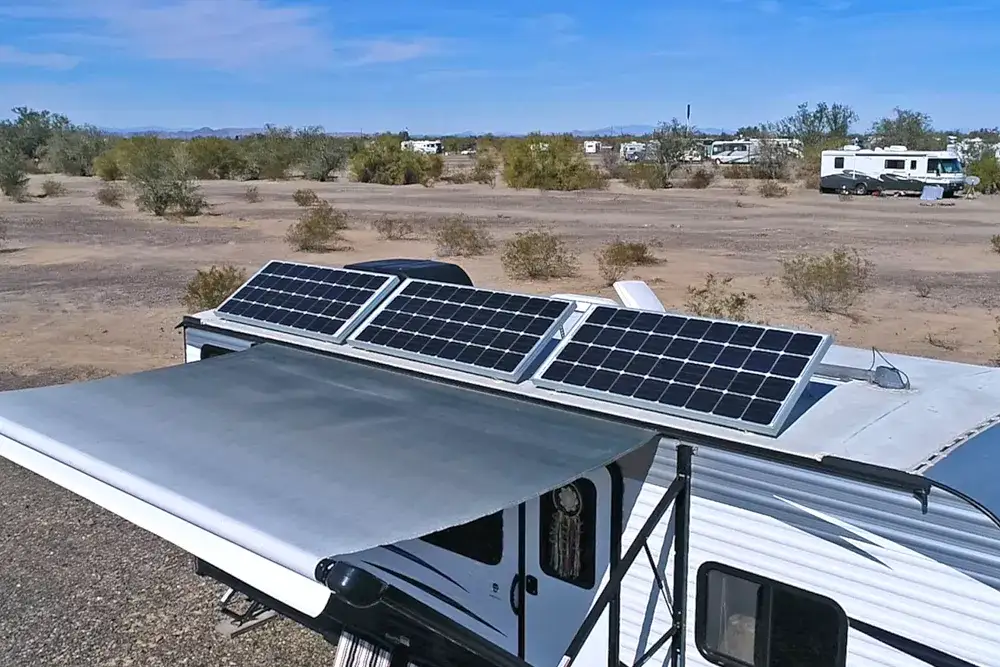
Harness the power of the sun during your off-grid travels
In this comprehensive guide, we’ll delve into the pros and cons of diverse power sources for your caravan A/C, shedding light on the considerations that can influence your choice. Whether you’re contemplating traditional electrical hookups, exploring the possibilities of battery power, or harnessing the energy of the sun through solar panels, understanding the advantages and drawbacks is essential for a seamless and enjoyable travel expedition.
Power Sources for Your Caravan A/C: A Holistic Overview
To comprehend the landscape of power sources for your caravan air conditioning, it’s essential to evaluate the available options. Different setups cater to varied needs, and the suitability of each depends on factors such as your travel style, destination choices, and the level of self-sufficiency you aim to achieve.
Electrical Hookups: The Traditional Approach
The most common and straightforward power source for caravan A/C is the traditional electrical hookup. When parked at a campsite with access to shore power, you can plug your caravan into the electrical grid, allowing your air conditioner to function seamlessly. This method provides a reliable and consistent power supply, ensuring your A/C runs at its optimal capacity.
Pros:
- Reliability: Electrical hookups offer a reliable and constant power source, ensuring uninterrupted operation.
- High Capacity: With a direct link to the grid, you can power high-capacity air conditioning units without concerns about battery limitations.
- Convenience: Access to electrical hookups is widely available at established campsites, providing convenience during your travels.
Cons:
- Campsite Dependency: You are limited to locations with electrical facilities, restricting your camping options.
- Cost: Some campsites may charge fees for electrical hookups, adding to the overall cost of your journey.
Battery Power: Embracing Mobility and Independence
As the desire for off-grid and remote camping experiences grows, caravan enthusiasts are increasingly turning to battery power as a viable alternative. Running your caravan A/C on battery power allows for greater mobility and independence, freeing you from the constraints of electrical hookups.
Pros:
- Mobility: Battery power enables you to camp in remote locations without access to electrical hookups, expanding your travel options.
- Silent Operation: Running your A/C on batteries provides a quieter and more peaceful cooling solution compared to traditional generators.
- Reduced Cost: Once the initial investment in a suitable battery system is made, ongoing costs can be lower than frequent campsite fees.
Cons:
- Limited Capacity: Battery systems may have limited capacity, impacting the runtime of your caravan A/C.
- Recharging Challenges: Recharging batteries may require a generator, solar panels, or an alternator while driving, necessitating additional equipment.
- Initial Cost: Setting up a robust battery system can incur an initial cost, potentially outweighing the long-term benefits.
Solar Power: Tapping into Sustainable Energy

Solar panels offer a clean and sustainable energy source on your travels
Harnessing the power of the sun through solar panels has emerged as an environmentally friendly and sustainable option for caravan power. Solar power not only reduces your carbon footprint but also allows for extended off-grid adventures by converting sunlight into electricity for your A/C and other appliances.
Pros:
- Environmentally Friendly: Solar power is a clean and sustainable energy source, reducing the environmental impact of your travels.
- Extended Off-Grid Capability: With sufficient solar panel capacity, you can enjoy extended periods of off-grid camping without worrying about power supply.
- Low Operating Costs: Once installed, solar panels have minimal ongoing costs, utilizing free sunlight to generate power.
Cons:
- Weather Dependency: Solar power generation is weather-dependent, with reduced efficiency on cloudy or rainy days.
- High Initial Cost: The upfront cost of purchasing and installing solar panels can be relatively high.
- Space Requirement: Adequate roof space for solar panels is essential, potentially limiting installation options on smaller caravans.
Hybrid Solutions: Maximizing Efficiency
For caravan enthusiasts seeking a balanced approach, hybrid solutions that combine multiple power sources offer an enticing alternative. Integrating solar power with a battery system or combining batteries with occasional electrical hookups provides a versatile and efficient solution, maximizing comfort and flexibility during your travels.
Pros:
- Versatility: Hybrid solutions provide flexibility, allowing you to adapt to different camping scenarios and power availability.
- Enhanced Sustainability: Combining solar power with battery systems enhances sustainability, reducing reliance on traditional power sources.
- Optimized Efficiency: Hybrid setups can optimize power usage, ensuring efficient operation of your caravan A/C without unnecessary energy consumption.
Cons:
- Complexity: Hybrid systems may involve additional components, increasing the complexity of your caravan’s power setup.
- Initial Investment: Integrating multiple power sources can incur a higher initial investment compared to a single-source setup.
- Maintenance Considerations: Hybrid systems may require more intricate maintenance, necessitating a good understanding of the entire power setup.
Conclusion: Tailoring Your Power Solution to Your Journey
In the realm of caravan air conditioning, the choice of power source is a personal decision influenced by your travel preferences, destinations, and environmental considerations. While each power source has its own set of advantages and drawbacks, the key lies in aligning your choice with the specific requirements of your travel expedition.


Leave a Reply
Want to join the discussion?Feel free to contribute!